

Why Wooden Toys Are Better for Kids & 7 Benefits Parents Should Know
In today’s world of flashing lights, noisy gadgets and battery-powered entertainment, many parents are rediscovering something beautifully simple — wooden toys. For generations, wooden toys have been trusted to support children's development through creative play, imagination and exploration. While plastic toys may dominate toy store shelves, more parents are choosing wooden toys because they are safer, more durable and better for child development. If you're wondering why wooden toys are better than plastic toys, this guide explains the biggest benefits and why they remain one of the best choices for children.
 1. Wooden Toys Are Timeless and Never Go Out of Style
Plastic toys often follow trends. They appear quickly with large marketing campaigns and disappear just as fast when the next toy craze arrives. Think about popular toy trends from the past — many were exciting for a few months but quickly forgotten. Wooden toys are different. They have a timeless, classic design that never feels outdated. Many wooden toys are inspired by traditional craftsmanship and simple shapes that encourage long-term play. Instead of focusing on characters or electronics, wooden toys encourage children to create their own stories and imaginative worlds. Many families even keep wooden toys for years and pass them down from older siblings to younger children.

2. Wooden Toys Encourage Imagination and Creativity
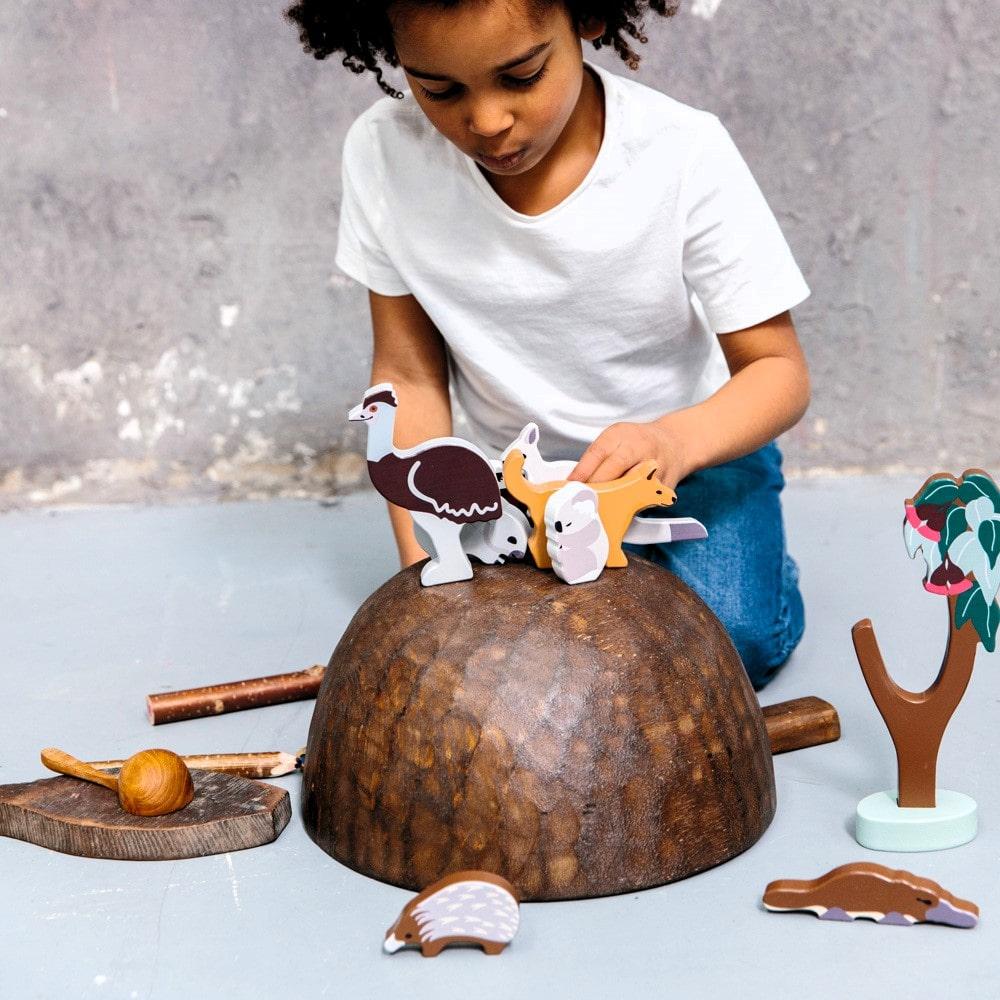
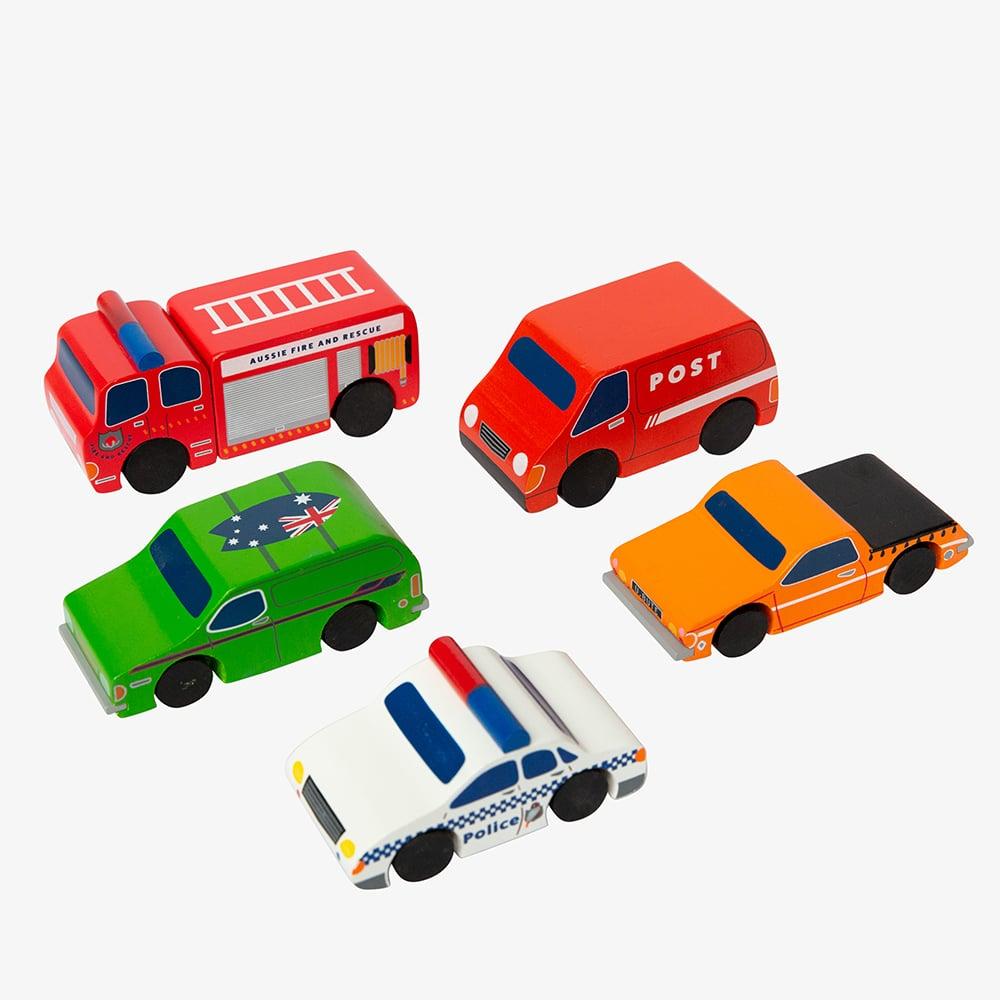
One of the biggest advantages of wooden toys is their open-ended play style. Unlike many plastic toys that tell children exactly what to do, wooden toys encourage children to think creatively and invent their own games. Without flashing lights, sounds or batteries, children must rely on their imagination. A wooden toy tram could become a train, a bus, a rescue vehicle or a delivery truck. The possibilities are endless. This type of play is incredibly important for childhood development because it helps children build creativity, storytelling skills, problem-solving ability and social skills during pretend play. Open-ended toys are widely used in Montessori and early learning environments because they support deeper learning and exploration.
3. Wooden Toys Are Safer and More Natural
Safety is one of the biggest concerns for parents when choosing toys. Many plastic toys contain chemicals such as BPA (Bisphenol A), PVC (vinyl), and phthalates. These chemicals have raised concerns about potential health effects, especially for babies and toddlers who often put toys in their mouths. High-quality wooden toys are typically made from natural timber, non-toxic paints and child-safe finishes. Many reputable brands also ensure their toys meet strict safety standards, including Australian toy safety standards, New Zealand toy safety standards, European toy safety regulations and US toy safety testing. This makes wooden toys a safer and more natural choice for young children.
For families, safety is just as important as quality. Choosing a well-made wooden toy goes hand in hand with knowing how to use and maintain it safely. To learn more about keeping playtime safe at home, check out our in-depth guide on Toy Safety at Home, where we share practical tips and expert advice for everyday play environments.

4. Wooden Toys Are More Durable
Children can be rough on toys. Toys get dropped, thrown, stepped on and occasionally smashed during energetic play sessions. Wooden toys are usually much stronger than plastic toys. Their solid construction helps them withstand years of play. Even if a wooden toy breaks, it is often easy to repair using simple wood glue. Plastic toys, on the other hand, tend to crack or snap and are usually impossible to fix. Because of their durability, wooden toys often last for decades and can be passed down through generations.

5. Wooden Toys Help Develop Fine Motor Skills
Play is essential for developing physical coordination and motor skills. Wooden toys are particularly effective for improving fine motor skills, which are important for activities like writing, drawing and using tools later in life. Children develop these skills when stacking wooden blocks, moving wooden figures, pushing toy vehicles or placing characters into puzzles and seats. Because wooden toys are slightly heavier and sturdier than plastic toys, they provide better feedback for children learning to control their hand movements. This helps improve hand-eye coordination, grip strength, balance and spatial awareness.
6. Wooden Toys Are Better for the Environment
Another major reason parents choose wooden toys is sustainability. Plastic toys contribute significantly to landfill waste. Many break quickly and cannot be recycled, meaning they often end up in a landfill. Wooden toys are a more environmentally friendly option because they are typically made from renewable materials, are longer lasting and reusable by multiple children. Choosing wooden toys helps reduce plastic waste while supporting a more sustainable lifestyle.

7. Wooden Toys Are a Long-Term Investment
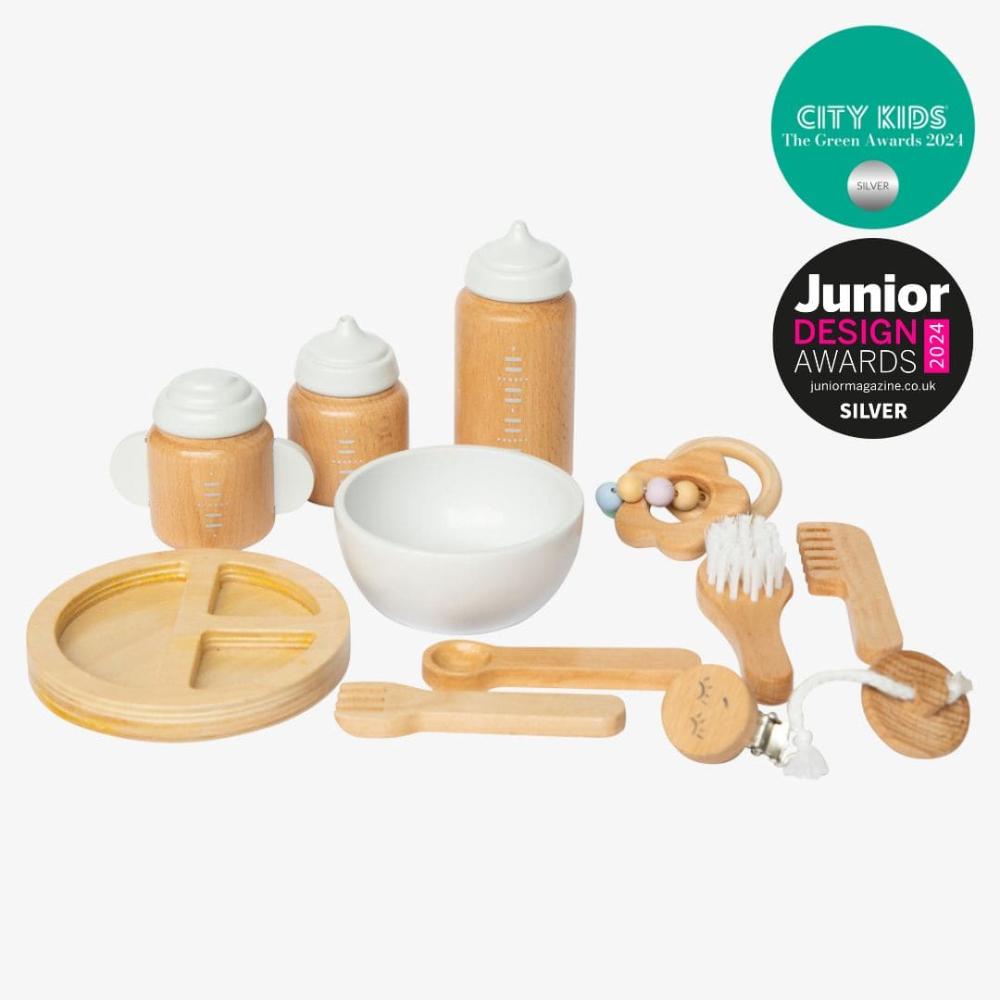
While wooden toys can sometimes cost more initially, they often save money over time. Instead of constantly replacing broken toys or buying the latest trends, wooden toys provide long-term value. Children return to them again and again because the play possibilities are endless. Parents often notice that even as children grow older and have less time for play, they continue using their favourite wooden toys to create imaginative play scenarios such as toy supermarkets, pretend kitchens, doll feeding stations or transportation games. These toys grow with children and support multiple stages of development.

Wooden Toys vs Plastic Toys
When comparing wooden toys and plastic toys, the differences become clear. Wooden toys are more durable, safer and more natural, better for imaginative play, environmentally friendly and timeless in design. Plastic toys may offer lights and sounds, but wooden toys provide deeper and more meaningful play experiences that support learning and creativity.
Wooden toys are:
- more durable
- safer and more natural
- better for imagination
- environmentally friendly
- timeless in design
Plastic toys may offer lights and sounds, but wooden toys provide deeper and more meaningful play experiences.
Wooden toys are often the easiest and most satisfying toys to repair. A little glue. A replacement part. A bit of sanding. Back to life.
In fact, repairing toys teaches children an important lesson, that things don’t always need replacing, sometimes they just need a little care and attention. If you’d like practical tips on how to clean, protect and maintain your toys so they last for generations, you can read our full guide on caring for Make Me Iconic wooden toys. With simple cleaning, proper storage and occasional conditioning, wooden toys can stay beautiful and safe for play for many years.

Why Parents Love Wooden Toys
Parents around the world are choosing wooden toys because they support both learning and sustainability. Wooden toys are classic and stylish, excellent for creative play, safe and natural, strong and long-lasting, great for motor skill development and environmentally friendly. In short, wooden toys help children learn, explore and grow while providing toys that last far longer than typical plastic alternatives.
Wooden toys are:
✔ classic and stylish
✔ excellent for creative play
✔ safe and natural
✔ strong and long-lasting
✔ great for motor skill development
✔ environmentally friendly
In short, wooden toys help children learn, explore and grow.
Invest in Toys That Last
Children do not need hundreds of toys. What they really need are high-quality toys that inspire imagination, creativity and discovery. Wooden toys provide exactly that. If you're looking for toys that support learning and last for years, wooden toys are one of the best choices you can make.

Frequently Asked Questions: Why Wooden Toys are Better
Are wooden toys better for kids?
Yes. Wooden toys encourage imagination, support child development, and are often safer and more durable than plastic toys.
Why are wooden toys more expensive?
Wooden toys are usually made from higher-quality materials and designed to last longer, making them a long-term investment.
Are wooden toys safer than plastic toys?
High-quality wooden toys are often made from natural materials and finished with non-toxic coatings, making them safer for babies and toddlers.
Do wooden toys help child development?
Yes. Wooden toys support fine motor skills, creativity, problem-solving and imaginative play.
Summary
Wooden toys are a timeless and valuable choice for children because they encourage creativity, support healthy development, and last much longer than many plastic toys. Their simple design allows children to use their imagination and engage in open-ended play, helping build important skills like problem solving, coordination, and fine motor development. Wooden toys are often made from natural, non-toxic materials, making them a safer option for babies and toddlers. They are also more durable and environmentally friendly, meaning they can be used for many years and even passed down through generations. While they may cost a little more upfront, wooden toys provide long-term value and meaningful play experiences that help children learn, explore, and grow.
If you're looking for wooden toys designed in Australia that focus on durability and imaginative play, you can explore our full range here.









Leave a comment
This site is protected by hCaptcha and the hCaptcha Privacy Policy and Terms of Service apply.